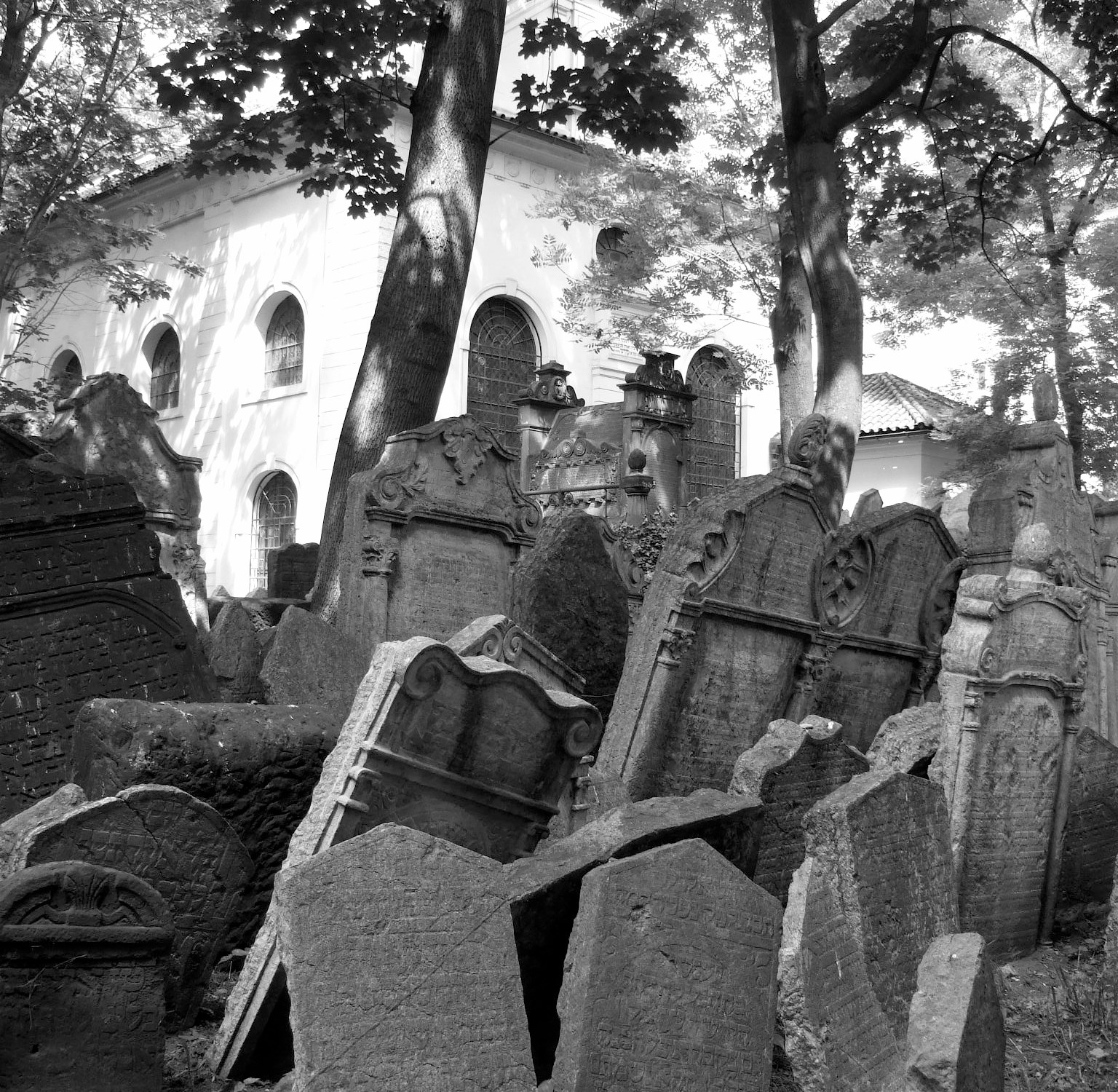
Prague, Czech Republic, 2008.
One of my all-time favorite videos is INXS’ “Never Tear Us Apart.” The reason: the location was sooo cool. I decided Michael Hutchence and I were going to have some illicit, clandestine romance there someday, where ever it was (give me a break—I was 11). That didn’t happen (obviously—Michael is sadly no longer with us), but I was lucky enough to visit the very city where that video was made: Prague. I LOVED Prague, so apologies in advance because I’ll be doing a lot of Prague posts.
Before we take today’s journey, let’s time-travel back to 1985 to watch that classic INXS video, shall we?
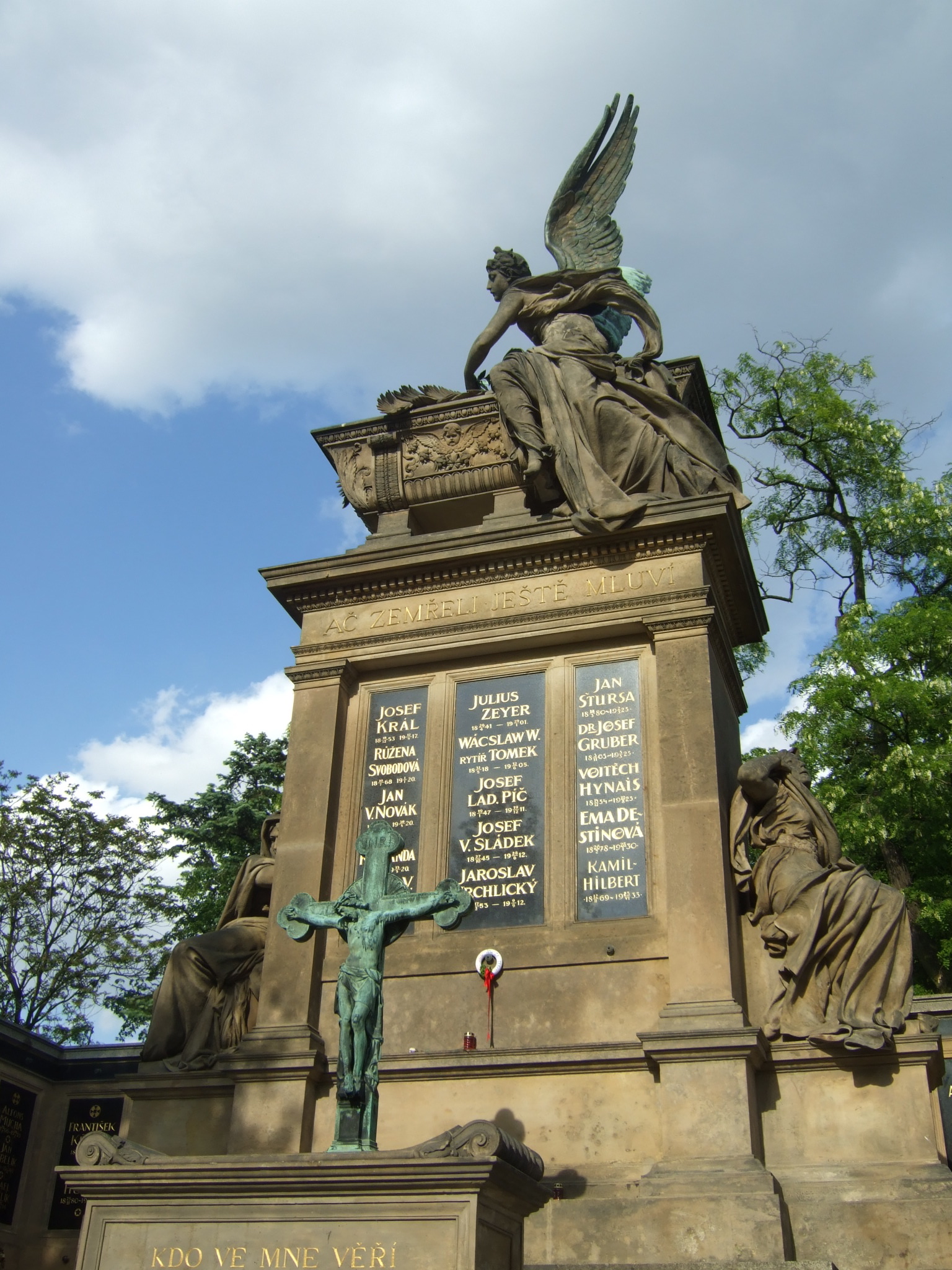
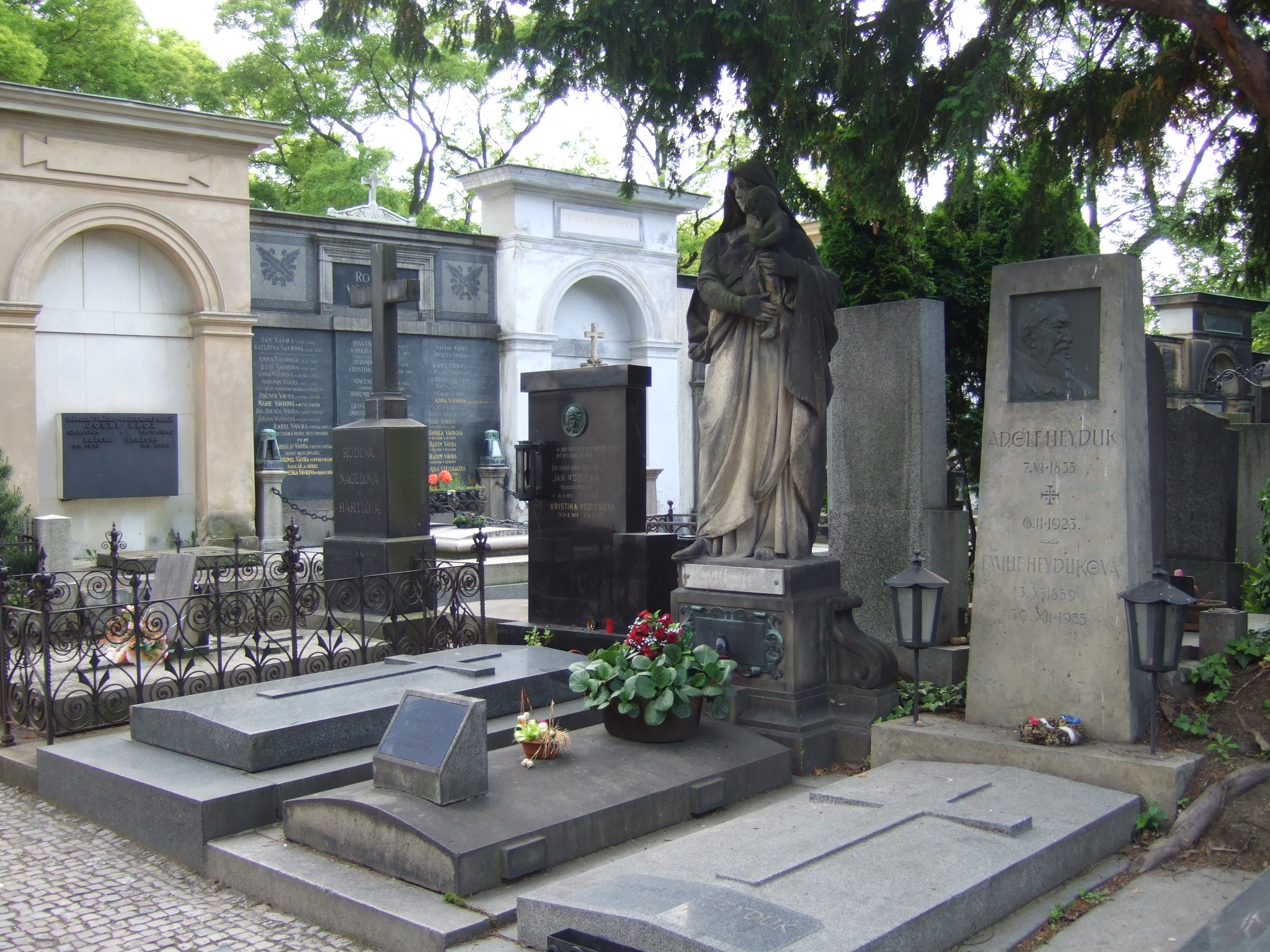
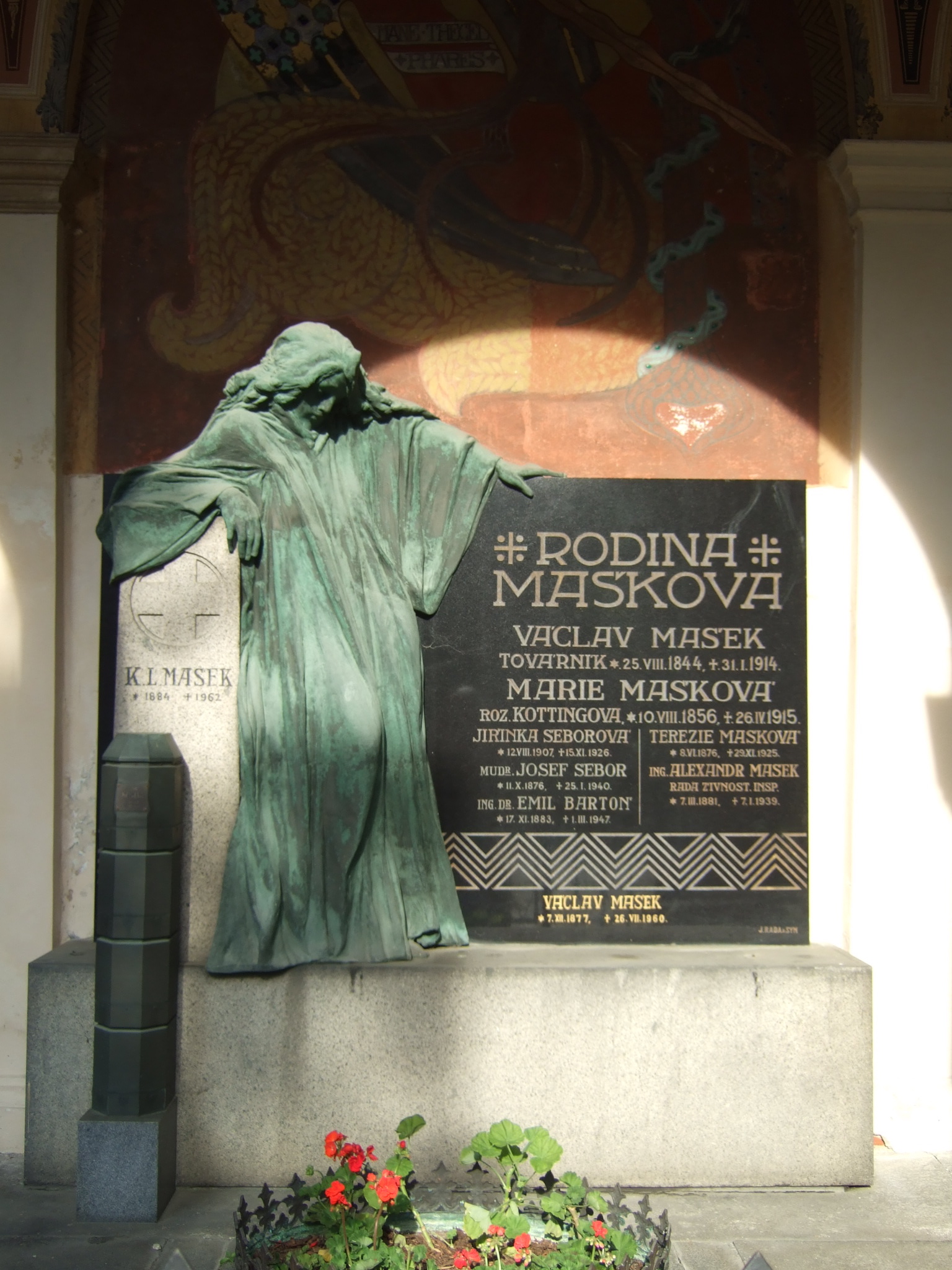
Did you see that ripping sax solo in the cemetery? Hold onto that, because we’ll get to it in a minute. First, let’s head over to another breathtaking Prague burial ground: Vyšehrad Cemetery.
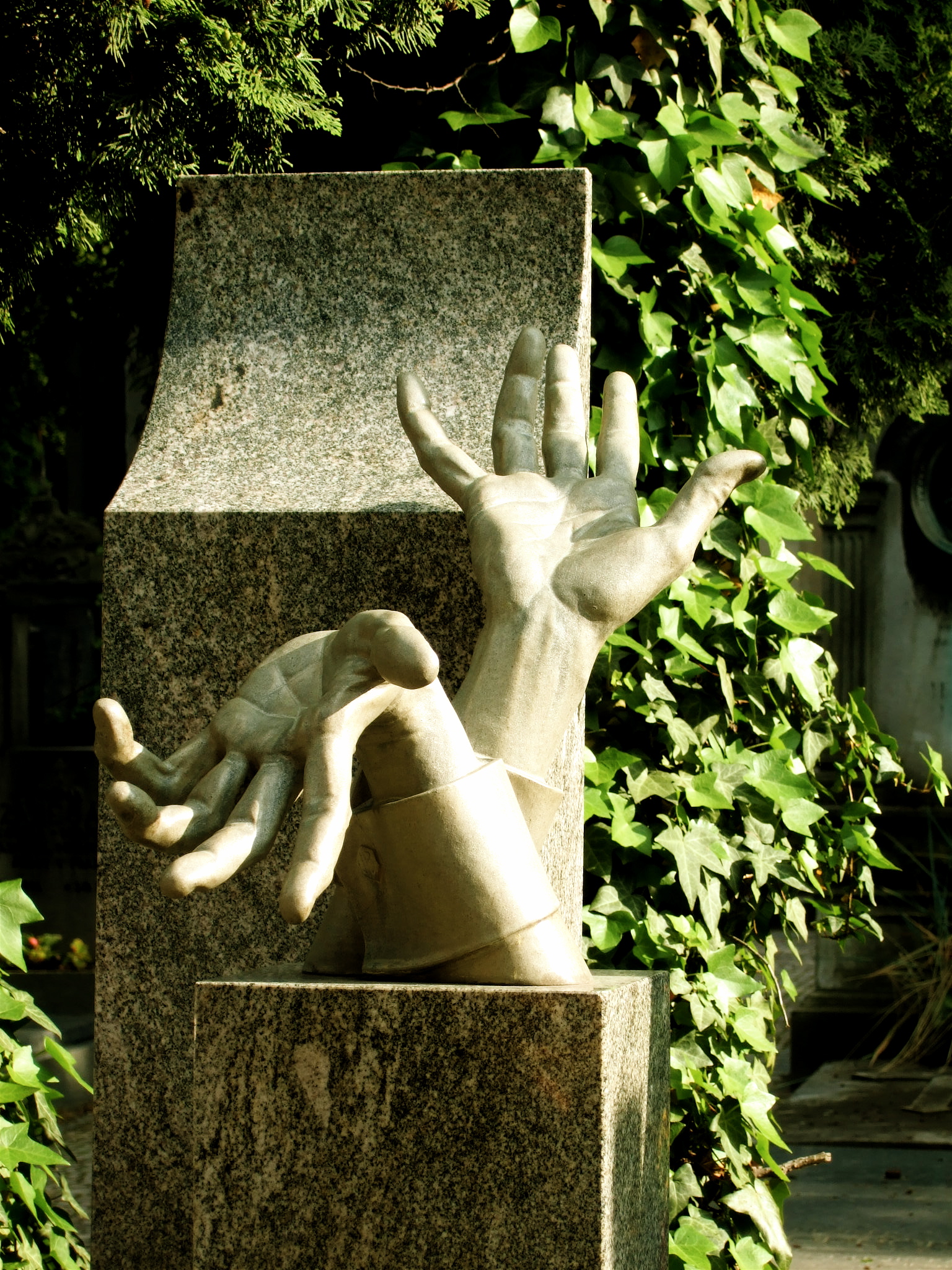
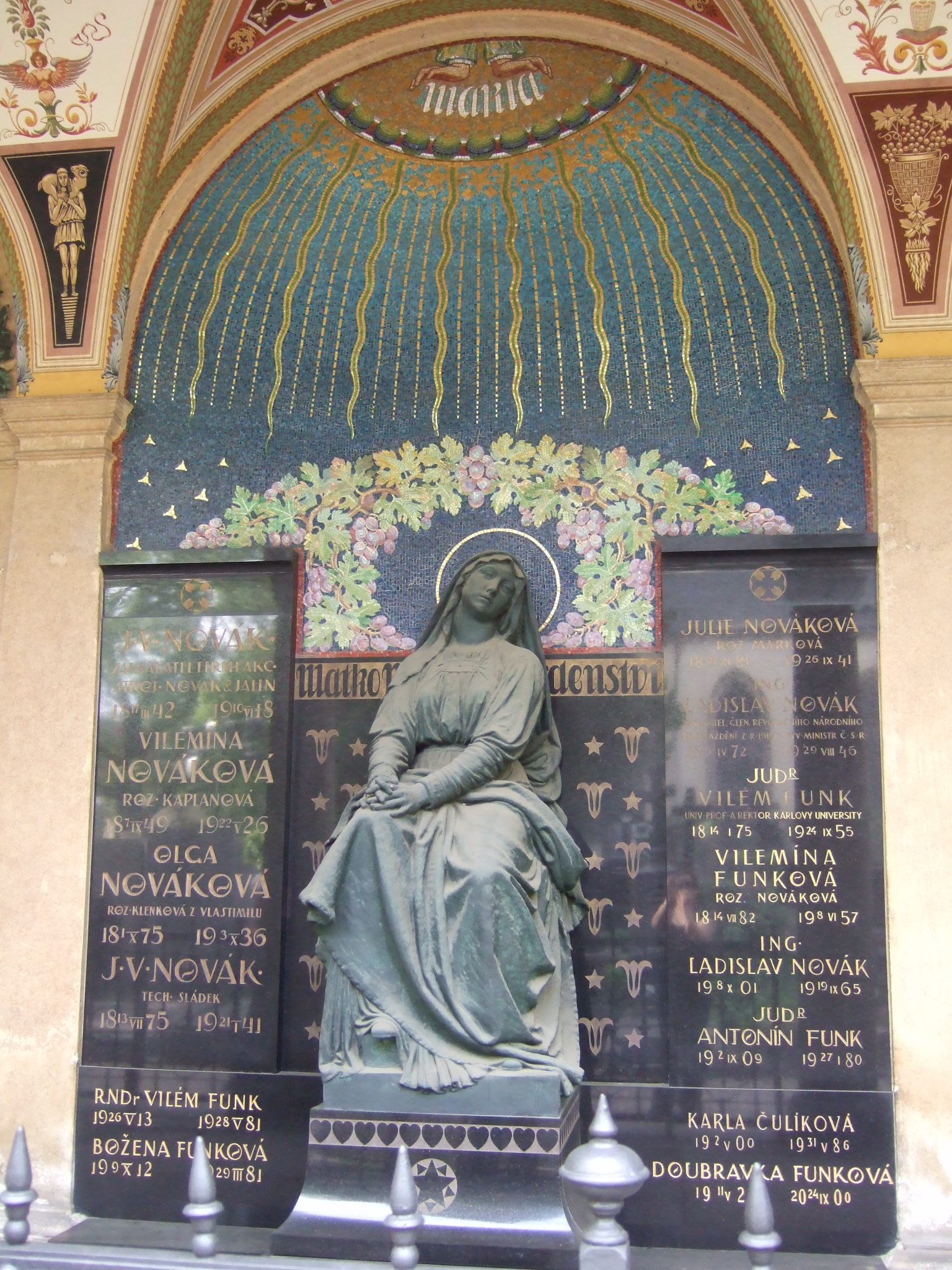
Art deco is a hallmark in this city, and this place has some really cool examples in the form of tombstones. In fact, it’s also the final resting place for art deco master Alphons Mucha himself. His neighbors include composer Antonín Dvořák (seriously, play his Czech Suite while you look at these pictures—you’ll get chills and the ending is so badass) and author Karel Čapek (fun fact: he invented the word “robot”). It’s a beautiful and peaceful place to be. Take a look:

Now, let’s head on over to Prague’s most famous burial ground: the Old Jewish Cemetery, located smack dab in the middle of the city’s famed Jewish Quarter. No one is sure exactly when the grounds were first established, but the oldest visible grave today dates back to the 1400s and burials continued through the late 1700s.
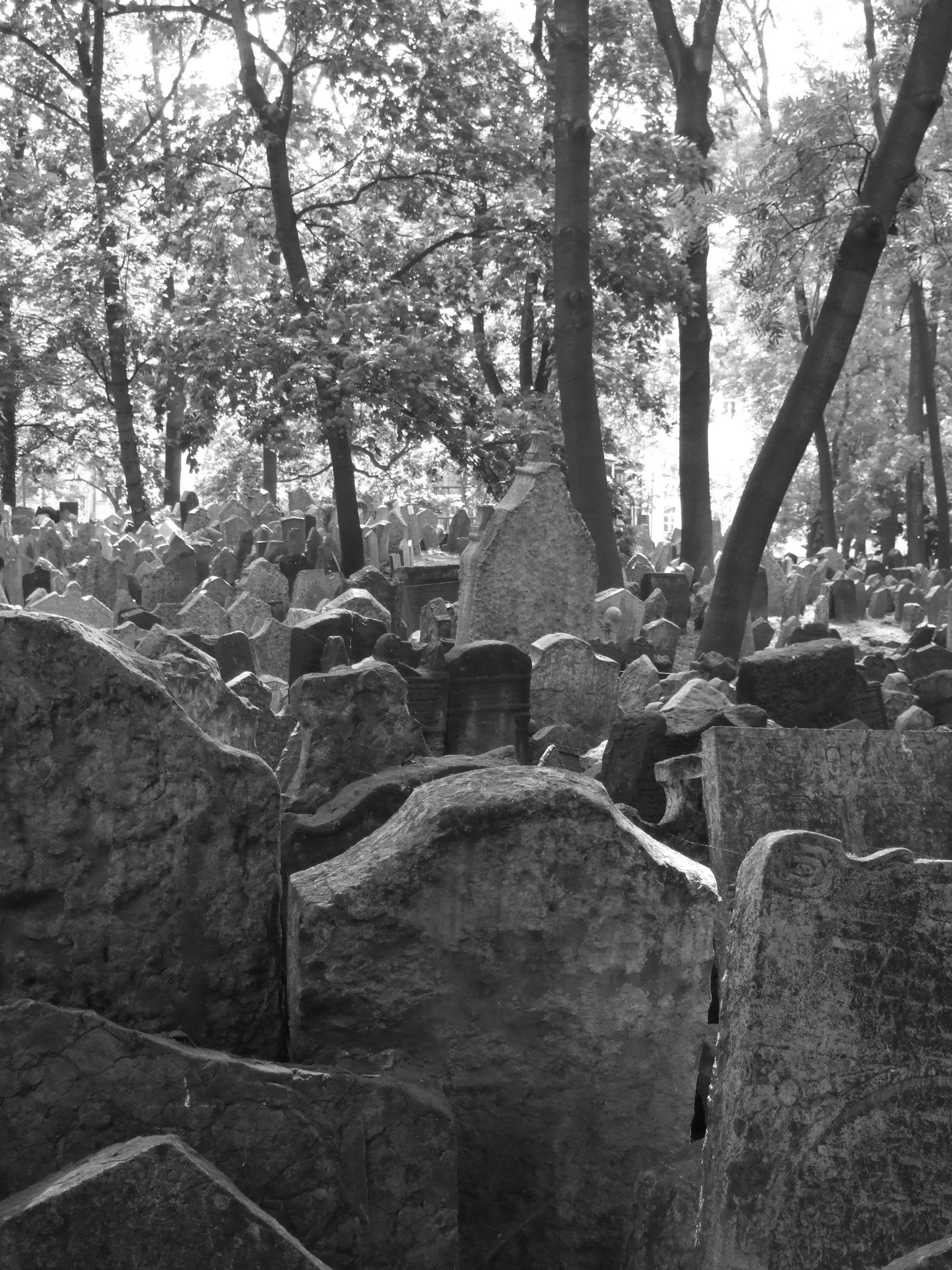
According to Jewish law, once a tombstone is placed, it’s never to be moved and the grave never destroyed. When they ran out of room, officials stuck to that tenet by throwing more and more soil over the existing graves and burying the newly dead right on top of the old. An astounding 100,000 tombs are thought to have been crammed into this small plot of land in the heart of Prague. In some spots, graves are layered 12 DEEP. It’s quite a sight to behold. See for yourself:
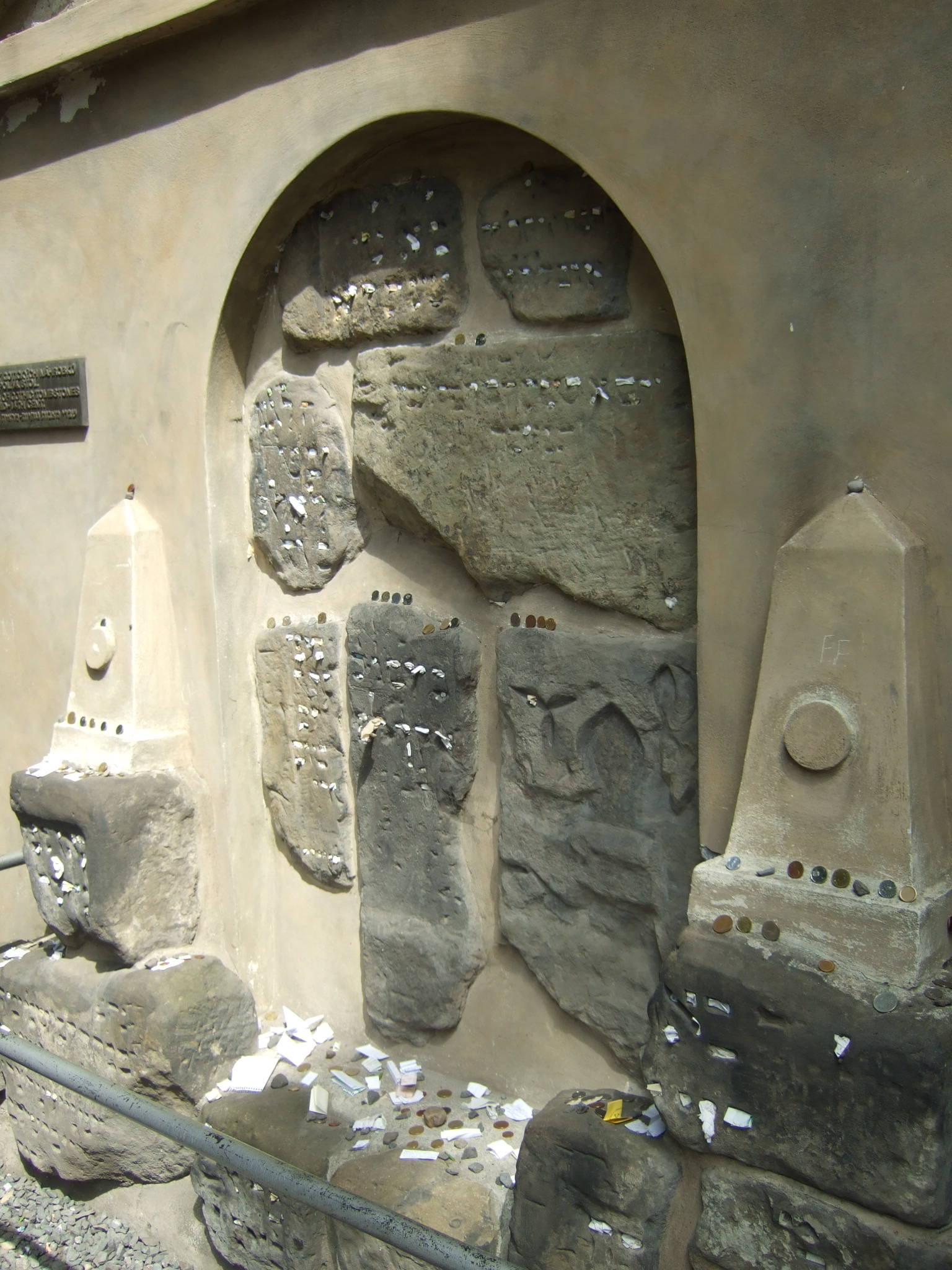
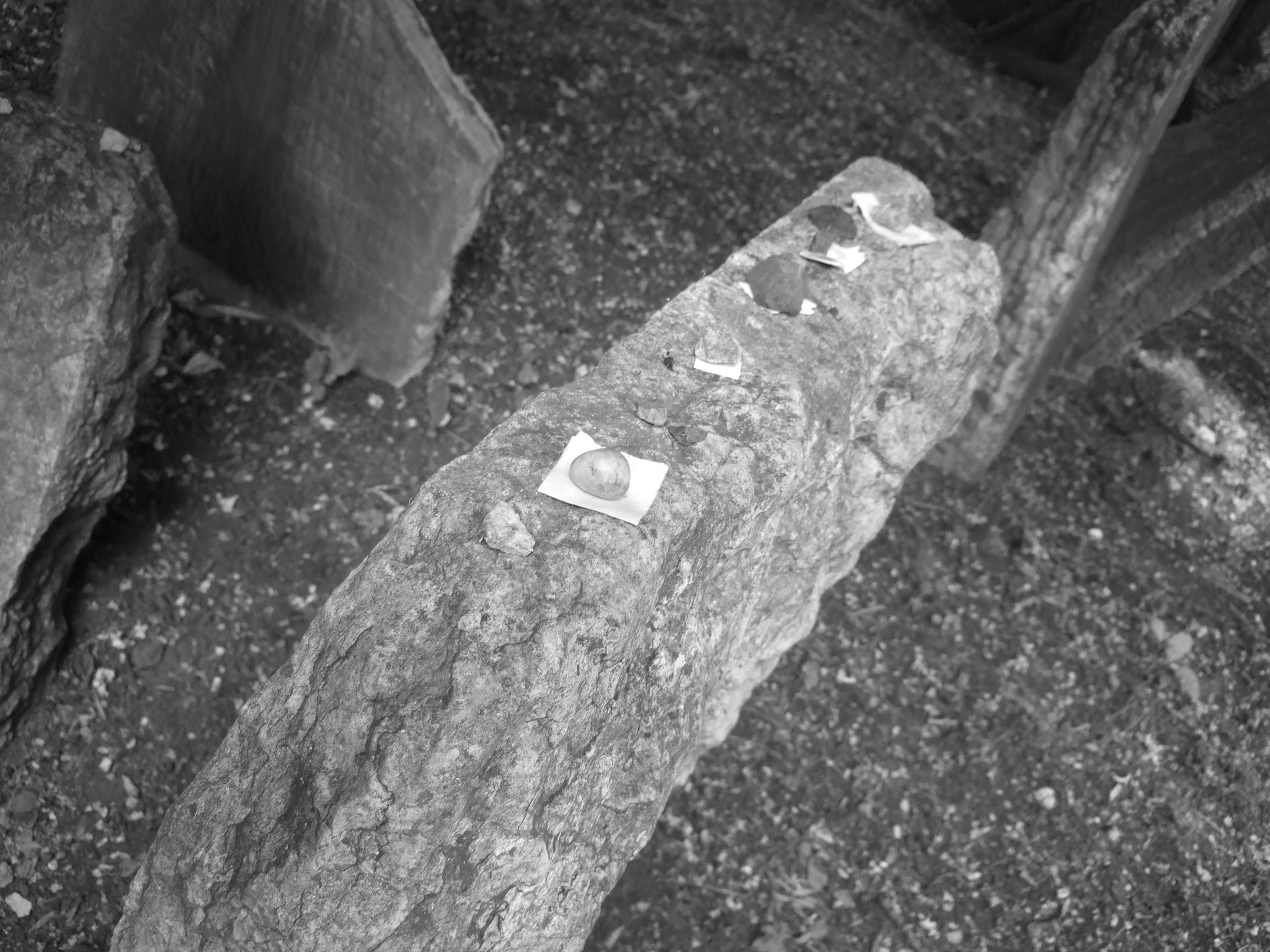
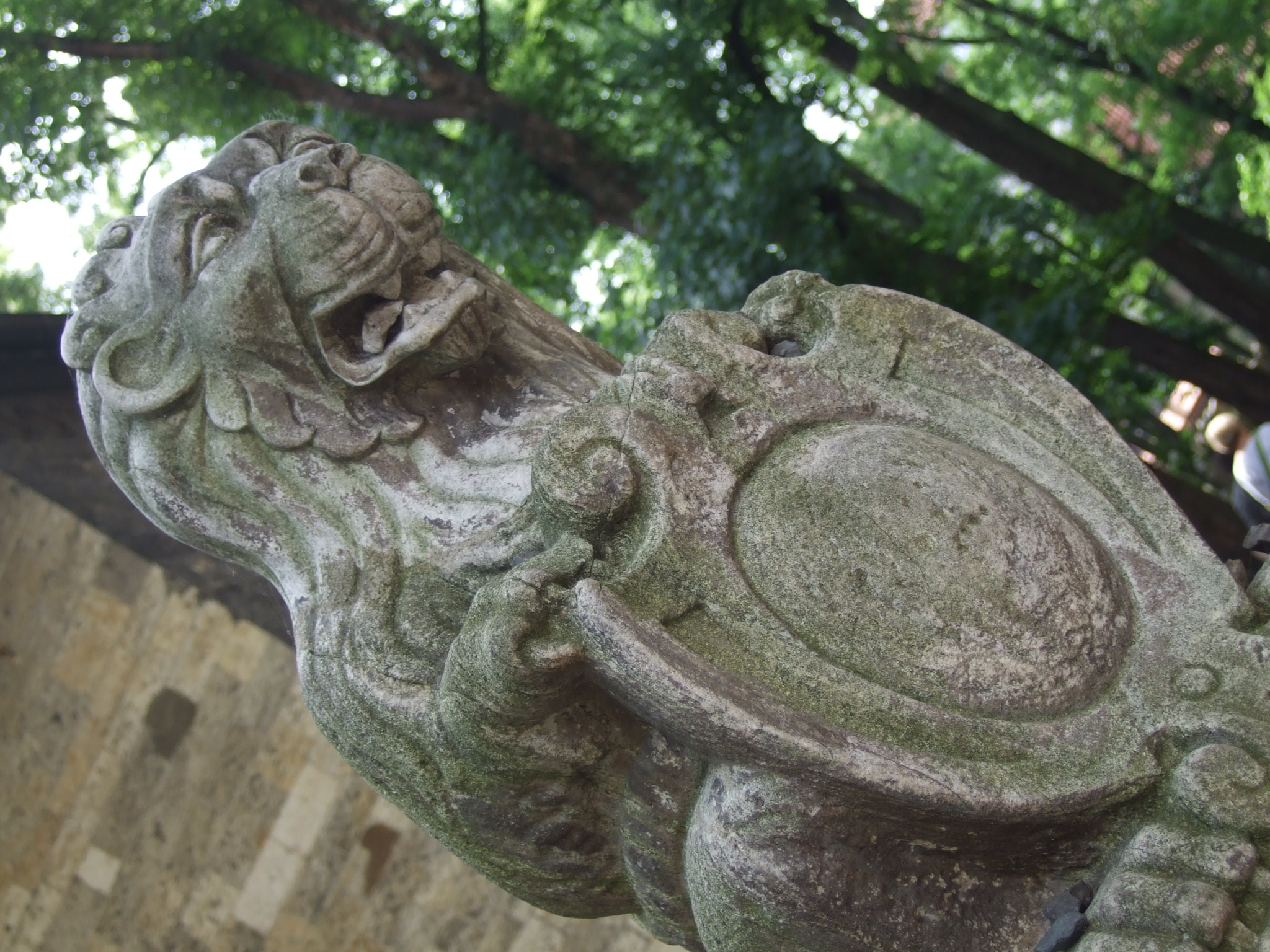
Speaking of Rabbi Loew, he also happens to be the guy behind one of Prague’s most famous legends. It’s said that the Rabbi created a clay monster called a golem (in Hebrew: “shapless mass”) that was brought to life to protect the Jewish community and help with heavy labor. Golem lived in the attic of what is now the Old-New Synagogue right next to the cemetery. It grew stronger and stronger until one day it flew into a rage and started destroying things before the Rabbi used magic to restore it to lifeless clay.
Don’t worry, Golem lives on as a beloved character of legend around Prague. You’ll see homages to it around the city and you can even take home your own little guy to keep watch over you (odds are he won’t ‘roid out again).
Here are just a few more scenes from the Old Jewish Cemetery:
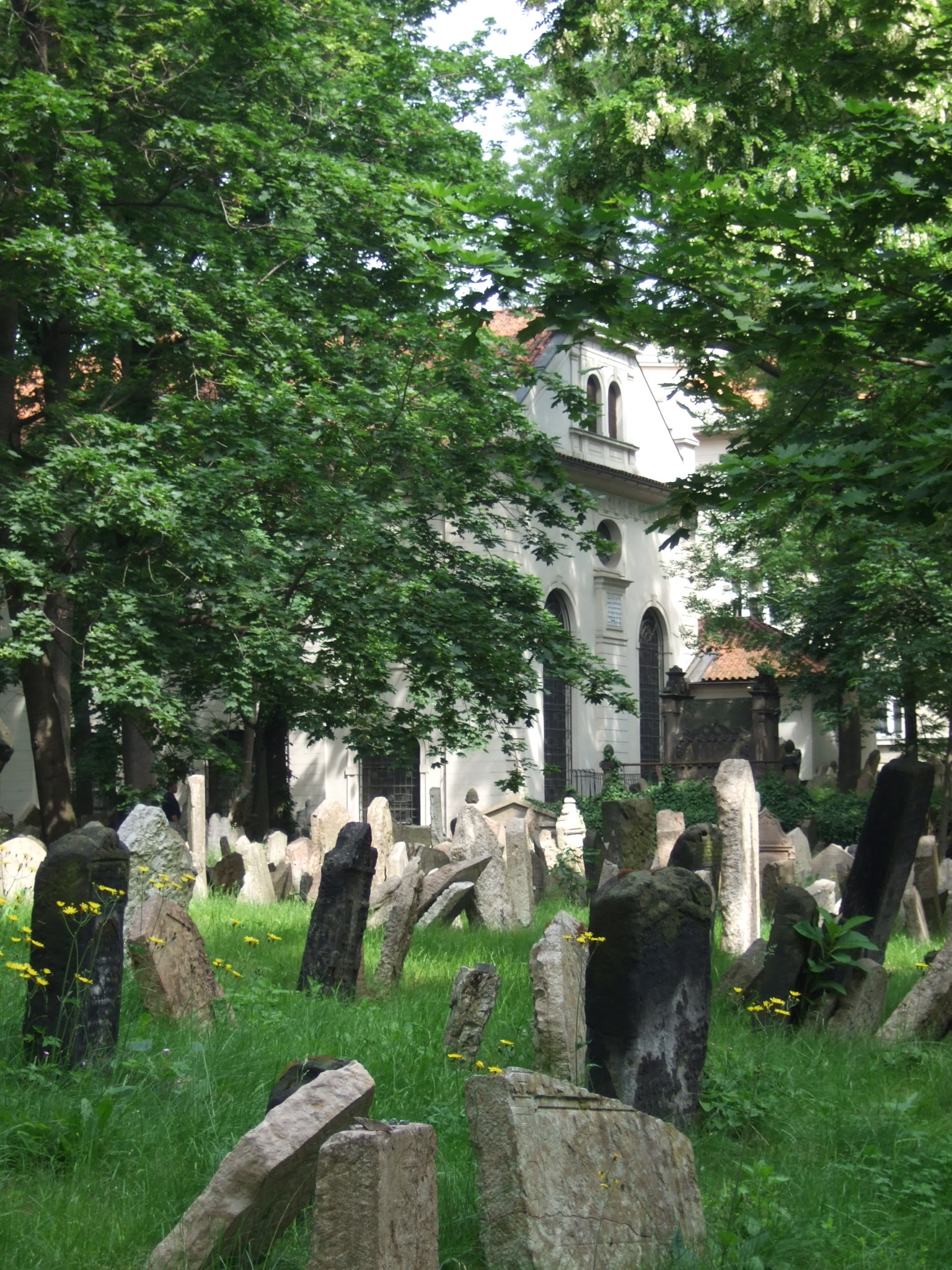
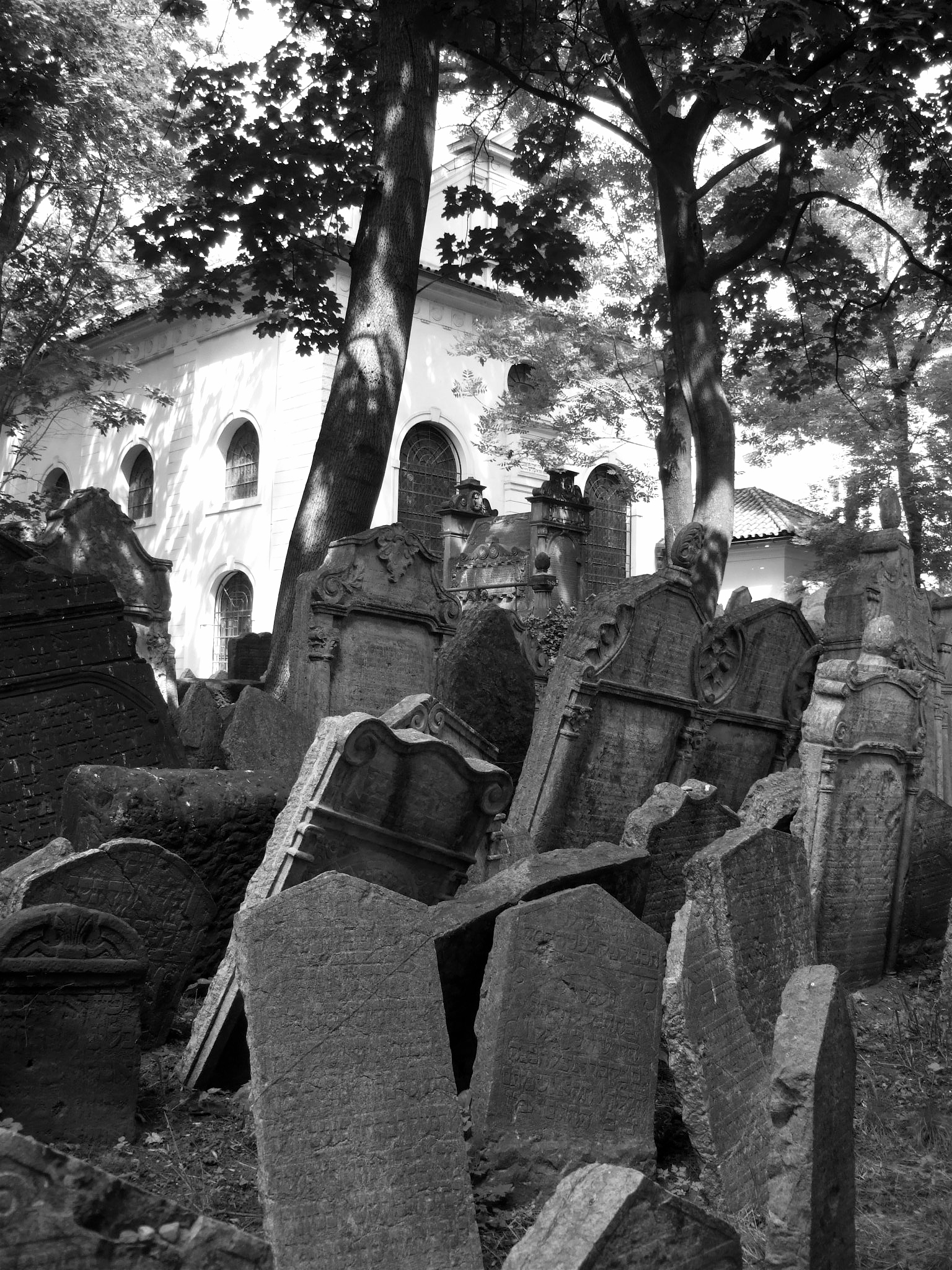
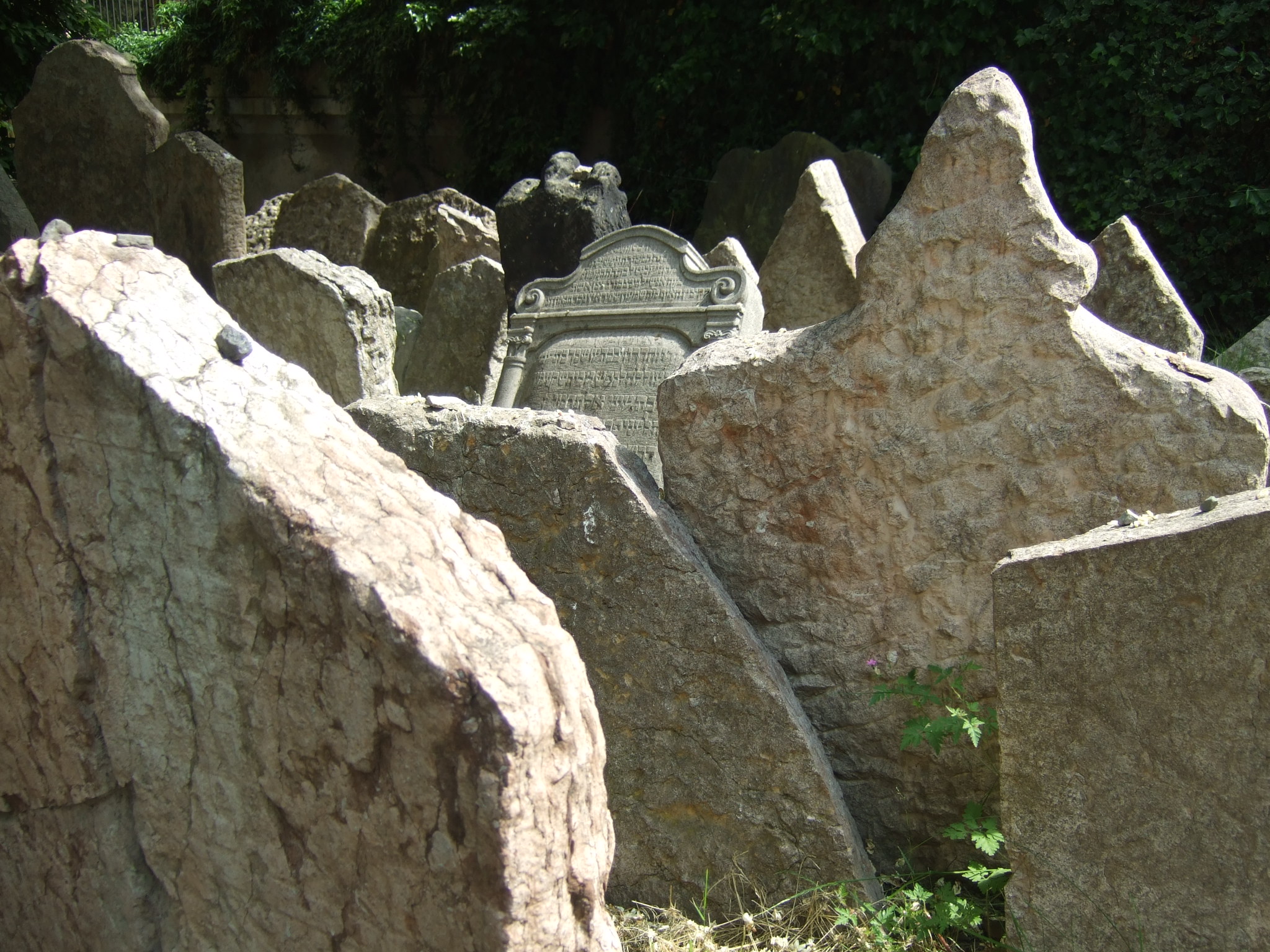
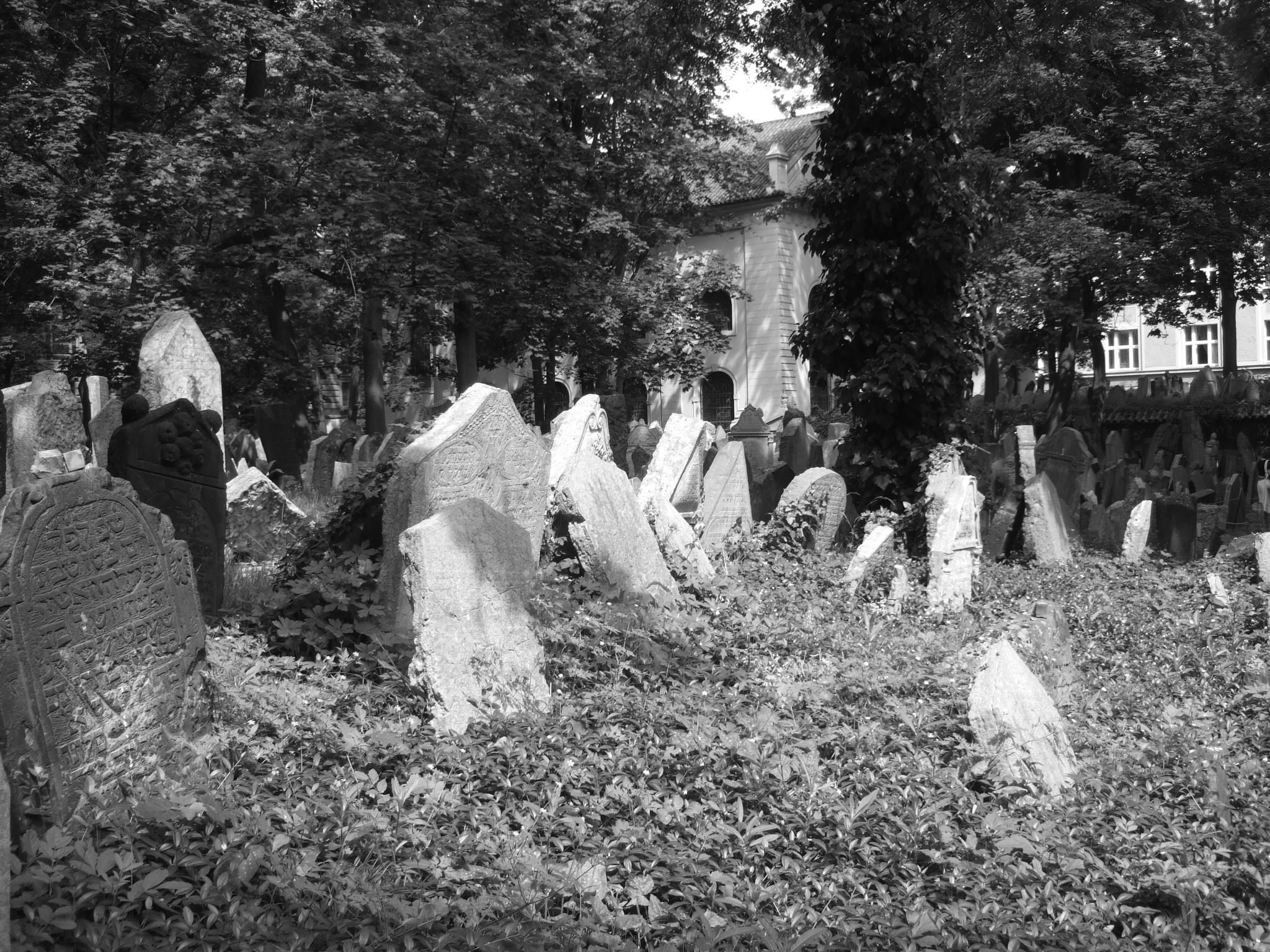 And now, here’s where the video comes in. INXS sax player Kirk Pengilly is only the second biggest star in that solo scene; Old Jewish Cemetery is No. 1:

 C-bus Rock City